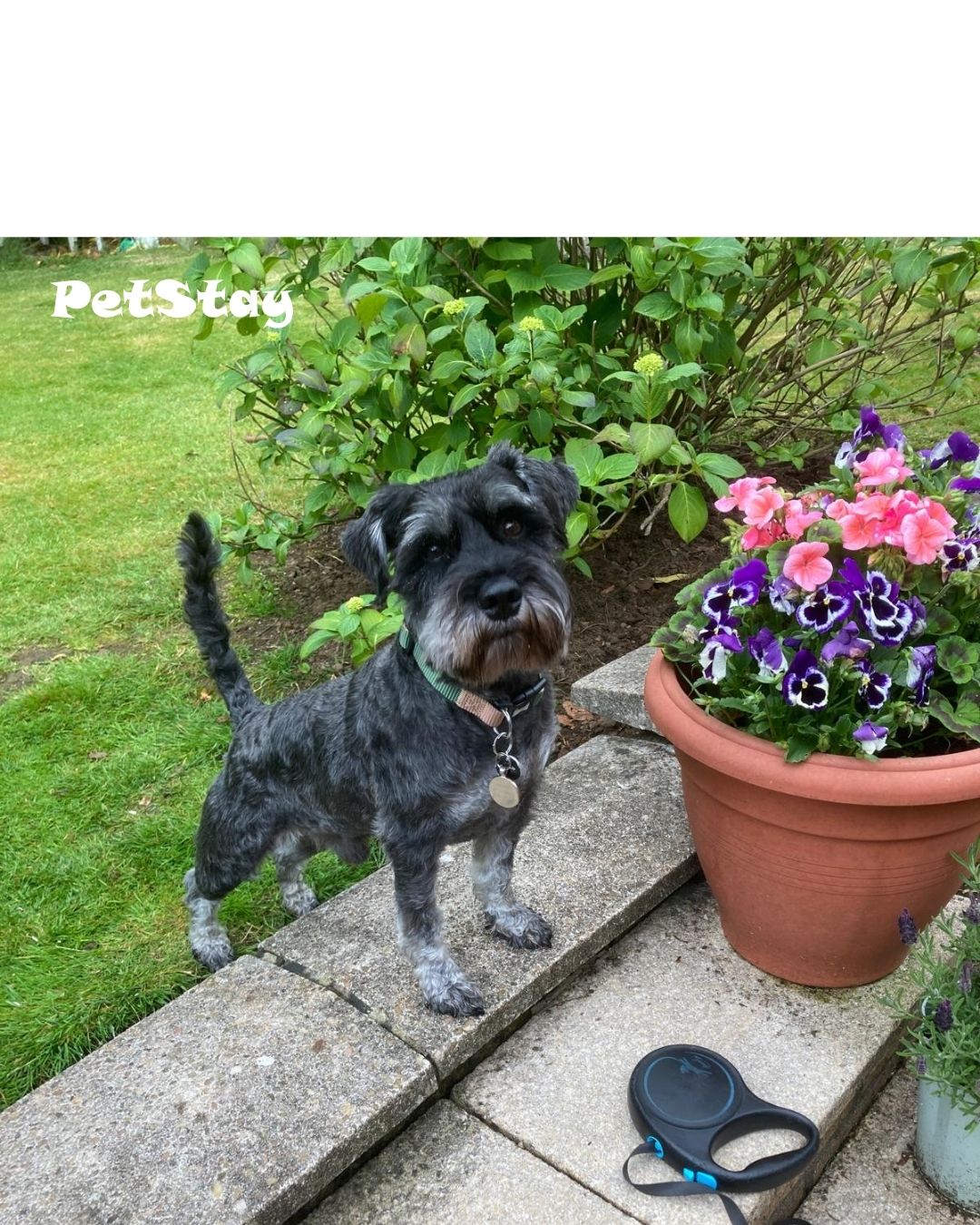
Garden Safety For Dogs
On a sunny day, there’s nothing better than spending time in the garden with your beloved pooch. You can both enjoy the fresh air, play games, and your dog can explore all those interesting smells. However, your garden can have hidden dangers for your pup. Here are some of the most common hazards and our tips on keeping your dog safe.
Poisonous plants
Some common plants can be poisonous to your pooch, so it’s worth checking what grows naturally in your garden and considering what to plant.
Daffodils, tulips, and hyacinths can all be toxic to dogs, especially the bulbs. If you’re planning to grow new plants from bulbs, keep them well out of reach of your pooch, or choose non-toxic alternatives. Some wild plants, like yew, foxgloves, lily of the valley and ivy, can also be poisonous. Remove them from your garden if possible and keep a close watch when you’re out for a walk.
Common signs that your dog has eaten something poisonous include vomiting, diarrhoea, and stomach pain. It can cause kidney damage or even death, so always act quickly if you think your pooch has eaten something they shouldn’t.
Chemical treatments
We know you want to help your garden grow and look beautiful but always check whether the treatments and fertilisers you use are dog safe. Many fertilisers contain pesticides or other harmful additives. Some fertilisers also use bone meal, which has a high iron content that can be toxic to dogs. It can also cause blockages in their digestive system that need surgery. Unfortunately, the smell of bone meal is highly attractive to dogs, meaning they’re more likely to eat it!
Other treatments, like weed killers or lawn treatments, can be poisonous. Glyphosate is toxic to dogs as well as weeds. Your pooch could ingest it by eating a treated plant or licking their paws after they’ve walked on a treated area. Most slug pellets contain metaldehyde, which can be fatal if eaten.
Environmental hazards
A few other garden features can be hazardous, depending on your garden layout and how you look after it.
Compost heaps are a great way to make fertiliser, but if they start to get mouldy, this can create dangerous neurotoxins. Avoid adding dairy, meat, or any other foods toxic to dogs.
Using grass seed to patch up your lawn can cause issues for your dog, as the seeds can burrow into their ears, paws, and skin, leading to infections. Always check your dog’s paws, ears, and fur carefully when they come inside and limit their access to seeded areas.
Finally, if you have a garden pond or water feature, maintain it to ensure the water stays clean. Blue-green algae is extremely toxic to dogs and can be fatal. Also consider using a grate to cover your pond, to ensure complete safety for your dog.
Keeping your dog safe in the garden
We’ve already mentioned a few ways to keep your dog safe, but here’s a quick roundup.
- Choose dog-safe plants and remove toxic ones where possible.
- Use organic fertilisers and pest control and avoid bone meal.
- Keep your compost bin secure and only add dog-safe foods.
- Look after your garden pond and any water features you have.
- Check your dog’s paws, ears and fur for any seeds or plants that could be toxic or cause skin irritation.
- Learn the signs of poisoning in dogs and take them to the vet immediately if you think they’ve eaten something harmful.
We at PetStay understand how central your dog is to your family life, but that there may be times they can’t be with you. We carry out a full house and garden check for all our dog carers, so you can be sure their home is safe for your beloved pooch.
Our dog carers can look after every aspect of your dog’s care so that you can enjoy a day out or holiday without worry. Check here to see why we’re your best choice for quality dog boarding!